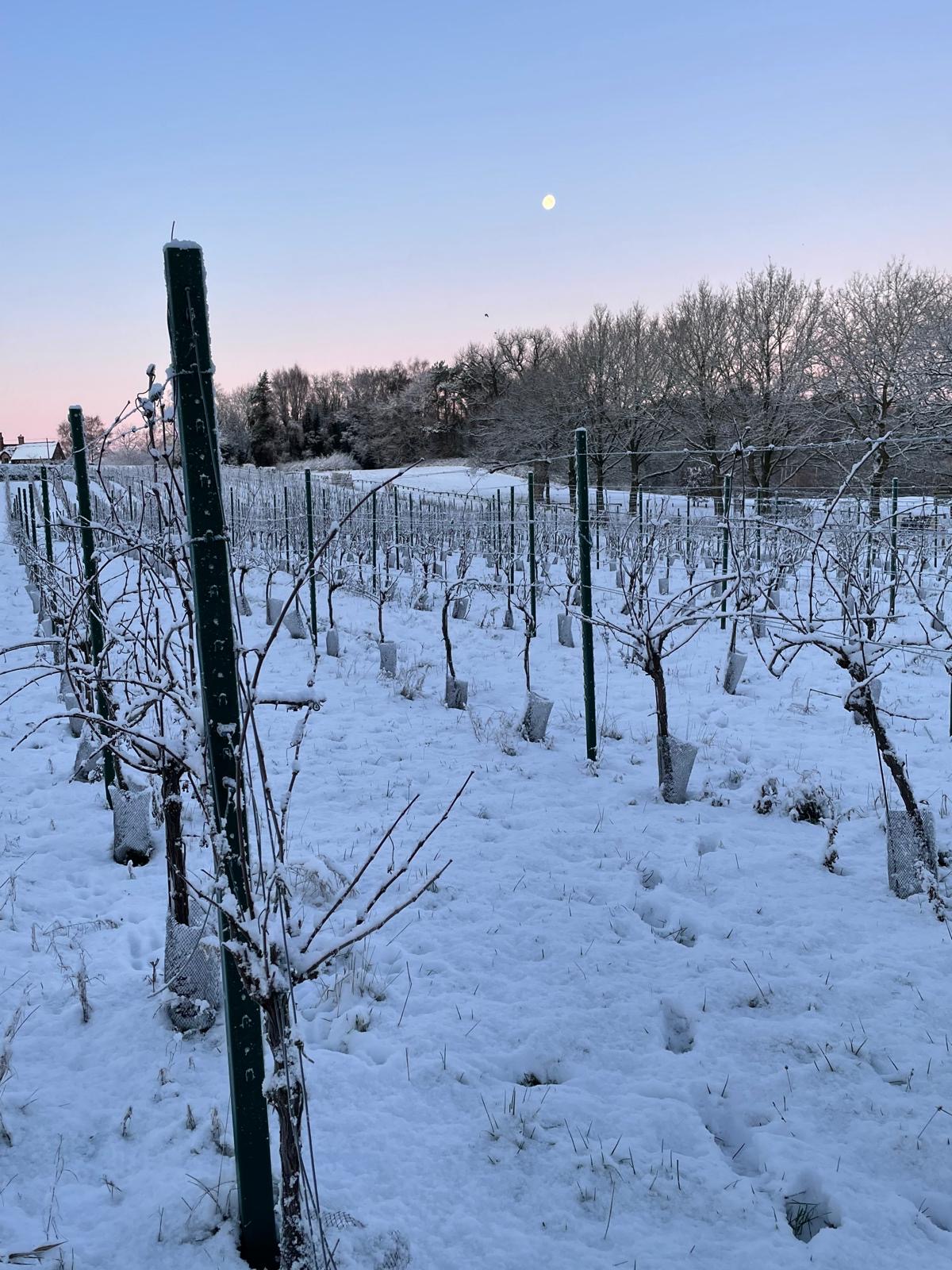
We are in the midst of pruning at the vineyard, so though we would share why we do this.
Pruning is one of the most critical tasks in vineyard management. While it may seem like a simple seasonal activity, it is integral to the long-term health of grapevines and the quality of the wine produced. Proper pruning ensures optimal growth, maximises yield, and contributes to a more balanced vine structure. Here’s why pruning is so important in a vineyard:
1. Improves Vine Health and Structure
Pruning helps remove old, dead, or diseased wood, preventing the spread of pests and pathogens that can compromise the vine’s health. By cutting away unhealthy parts, the vine can focus its energy on new, healthy growth. In addition, pruning helps maintain the right structure, ensuring that the vine can support its weight and grow in a controlled manner. A well-pruned vine is stronger, more stable, and more resilient to environmental stressors.
2. Enhances Fruit Quality
The quality of wine starts with the grapes, and pruning plays a crucial role in ensuring that the vine produces high-quality fruit. By selectively removing excess or non-productive growth, pruning allows more sunlight and air to reach the grape clusters. This improves the ripening process and allows the vines to develop concentrated flavours, sugars, and acids—critical elements for wine production. For certain grape varieties, pruning can also promote the development of fruiting wood, which directly impacts yield and grape size.
3. Regulates Yield
One of the goals of pruning is to control the number of grapevines that produce fruit. Overly abundant yields can result in poor-quality grapes, with vines spreading their resources too thin. By carefully removing some buds or canes, pruning regulates the vine’s productivity, ensuring that each plant produces the ideal amount of fruit. A controlled yield leads to better grape quality and more balanced wine.
4. Encourages Better Sunlight Exposure
Grapevines are sun-loving plants, and sunlight is key to producing sugar and flavour compounds in the grapes. Pruning helps open up the vine canopy, allowing sunlight to penetrate the leaves and clusters. With optimal sun exposure, the grapes can ripen more evenly and develop their full flavour potential. It also prevents shade from congesting the interior of the vine, which could lead to mildew or fungal diseases.
5. Improves Airflow and Disease Prevention
Good airflow through the vine is essential for preventing fungal diseases, such as powdery mildew and botrytis. Pruning removes excess foliage, opening up the canopy and allowing air to flow freely around the vine and its fruit. Better airflow reduces moisture buildup, which helps keep the grapes dry and reduces the chances of mould or rot.
6. Encourages Stronger Vines for the Future
Vineyard pruning is not just about the current season but about setting up the vines for future growth. By carefully cutting back old wood and selecting the best canes or spurs for the following year’s growth, you’re building the framework for a healthier, more productive vine in the years to come. Sustainable pruning encourages the renewal of the vine and helps it grow stronger year after year.
Conclusion
Pruning is much more than a routine task in the vineyard—it’s a precise and vital practice that ensures healthy vines, high-quality grapes, and ultimately great wine. Whether you’re a seasoned viticulturist or a passionate home-grower, mastering the art of pruning is key to maintaining a thriving vineyard and producing the best possible harvest. So, grab those shears, and prune with purpose—your vines will thank you with a bountiful, flavourful crop!